
The Lord SIVA _ XIII-XIVth century
The Lord SIVA _ XIII-XIVth century
The statue of The Lord SIVA, created in XIII-XIVth century. Shiva (/ˈʃivə/; IAST: Śiva, lit. the auspicious one) is one of the principal deities of Hinduism. He is the Supreme Being within Shaivism, one of the major traditions within contemporary Hinduism. 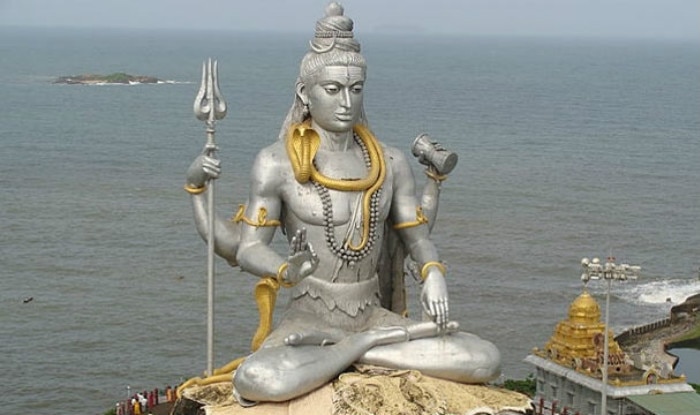 This statue belongs to former empire called Champa. Champa is a collection of independent Cham polities that extended across the coast of what is today central and southern Vietnam from approximately the 2nd century through 1832 before being absorbed and annexed by the Vietnamese state.[1] The kingdom was known variously as nagara Campa (Sanskrit: नगरः कम्पः; Khmer: ចាម្ប៉ា) in the Chamic and Cambodian inscriptions, Chăm Pa in Vietnamese (Chiêm Thành in Sino-Vietnamese vocabulary) and 占城 (Zhànchéng) in Chinese records. Source: Objaverse 1.0 / Sketchfab
selected citations These citations are derived from selected sources.This is an alternative to the "Influence" indicator, which also reflects the overall/total impact of an article in the research community at large, based on the underlying citation network (diachronically).0 popularity This indicator reflects the "current" impact/attention (the "hype") of an article in the research community at large, based on the underlying citation network.Average influence This indicator reflects the overall/total impact of an article in the research community at large, based on the underlying citation network (diachronically).Average impulse This indicator reflects the initial momentum of an article directly after its publication, based on the underlying citation network.Average
 Citations provided by BIP!Popularity provided by BIP!